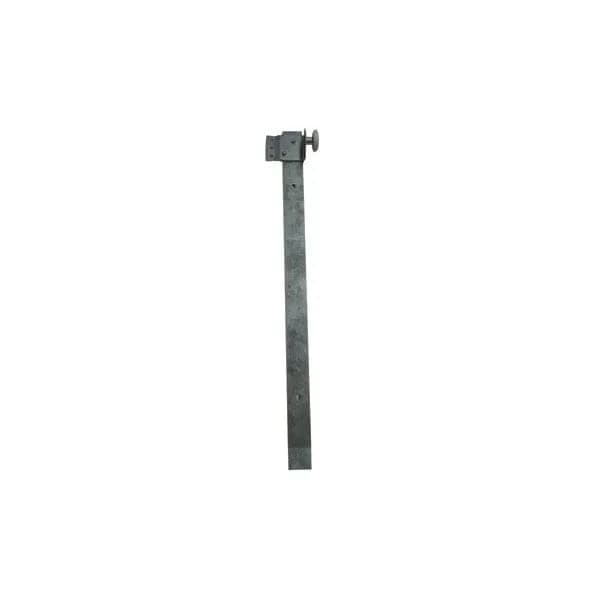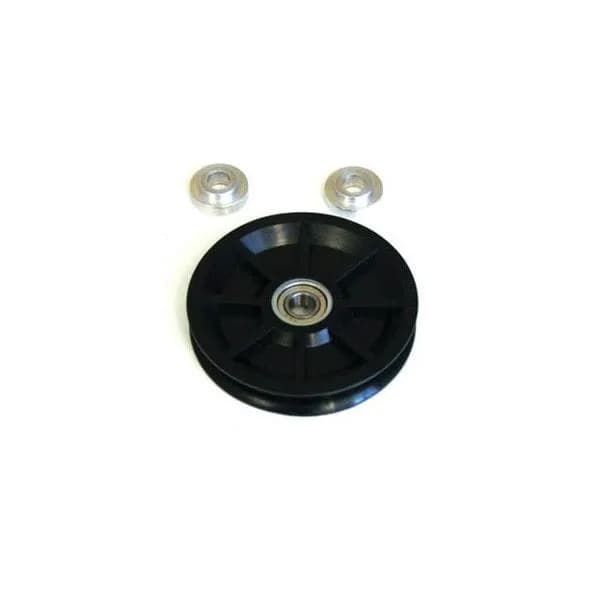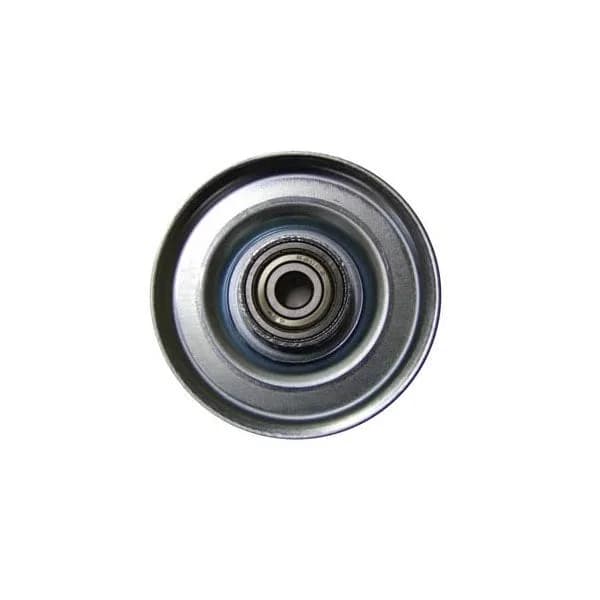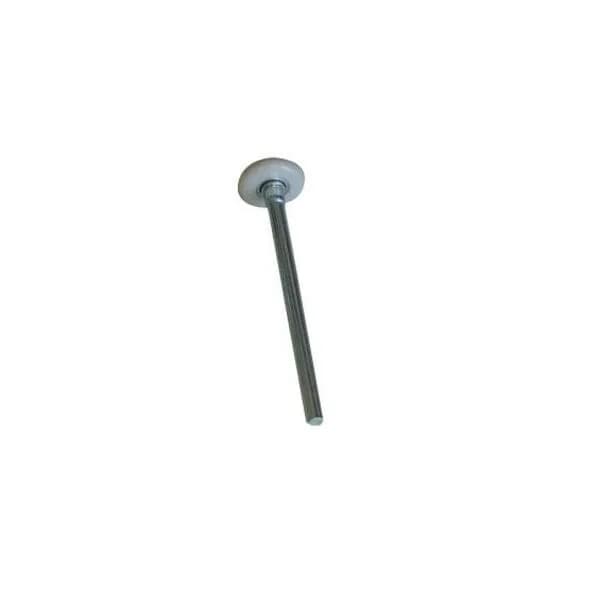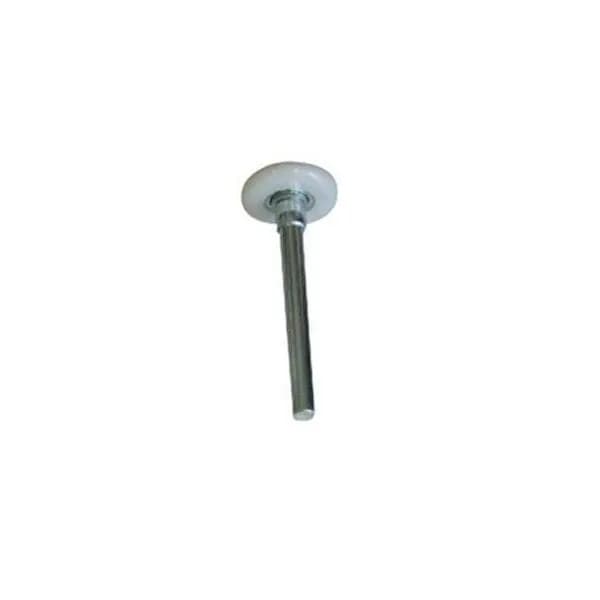
Dual Wheel Assembly (Each)
View part →
Nylon rollers, wheel assemblies and transfer pulleys for sectional and tilt doors. Worn rollers are the most common cause of a noisy garage door, and they are among the cheapest parts on the door to put right.
Nylon rollers run quieter than steel and do not rust, which matters near the coast. They come in standard and long-shaft versions — the long shaft is used on the top section of a sectional door and on low-headroom installations, so check which one you are replacing before ordering.
The symptoms of worn rollers are hard to miss: grinding or rumbling as the door moves, a door that judders instead of gliding, and flat spots you can feel by turning a roller in your fingers. In a bad case the roller stops rotating altogether and drags along the track, which wears the track itself.
Transfer pulleys carry the lifting cable on tilt doors and come in plastic and steel. A seized pulley frays the cable that runs over it, so a pulley that no longer spins freely is worth replacing before it costs you a cable as well.
Rollers are usually replaced as a full set. Mixing new and heavily worn rollers leaves the door running unevenly, and the labour is the same whether you change two or ten.
Worn rollers are the usual answer, followed by dry hinges and loose track bolts. If the noise is a rhythmic rumble that tracks the door's movement, check the rollers for flat spots and seized bearings first.
Nylon for almost every domestic door — they are much quieter and will not corrode. Steel is used where loads are heavier, typically on commercial and industrial doors.
They are not on a fixed schedule, but on a door used daily expect somewhere around seven to ten years. An annual service catches them well before they start damaging the tracks.
Tell us your door or opener model and we'll confirm the right part before we come out — anywhere in Perth, no call-out fee.