Curved Tracks
View part →
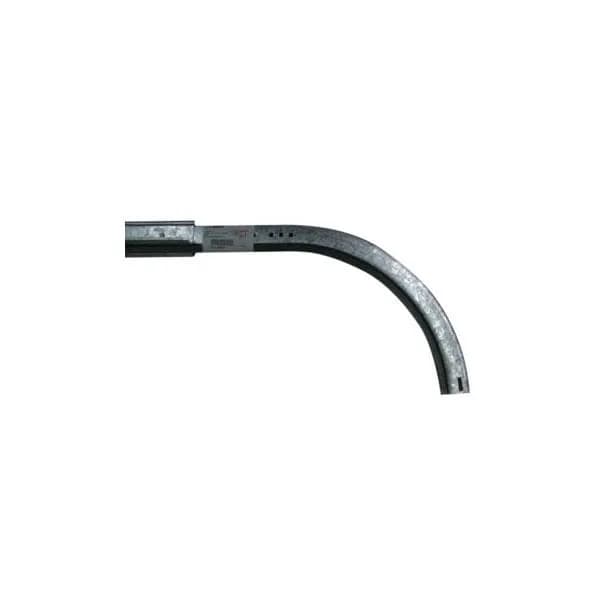
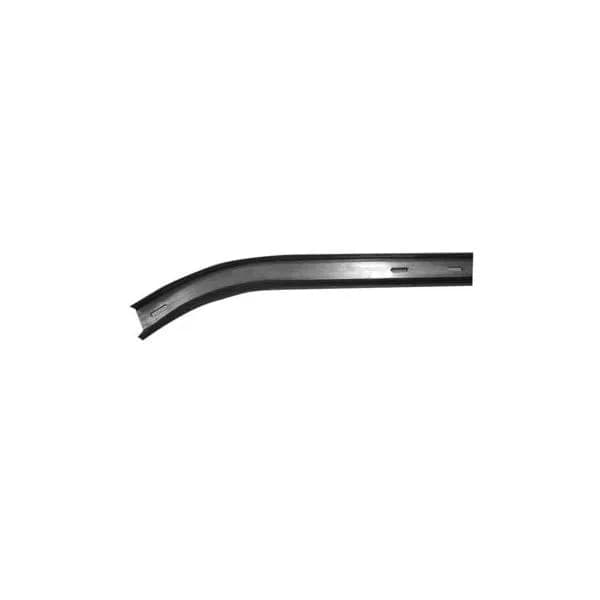
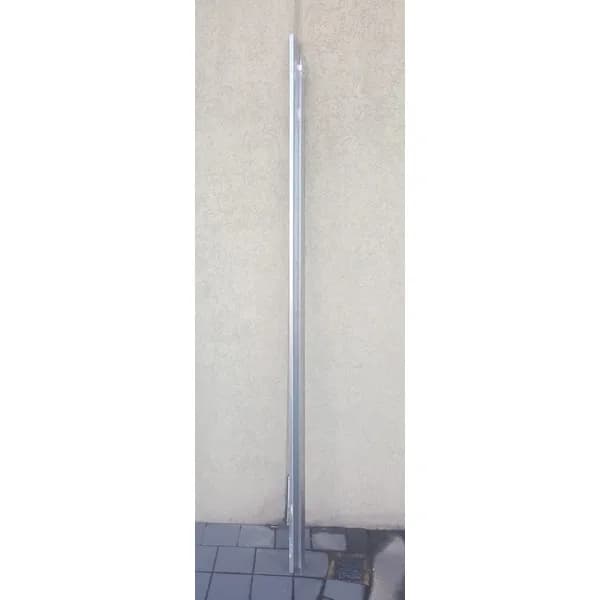
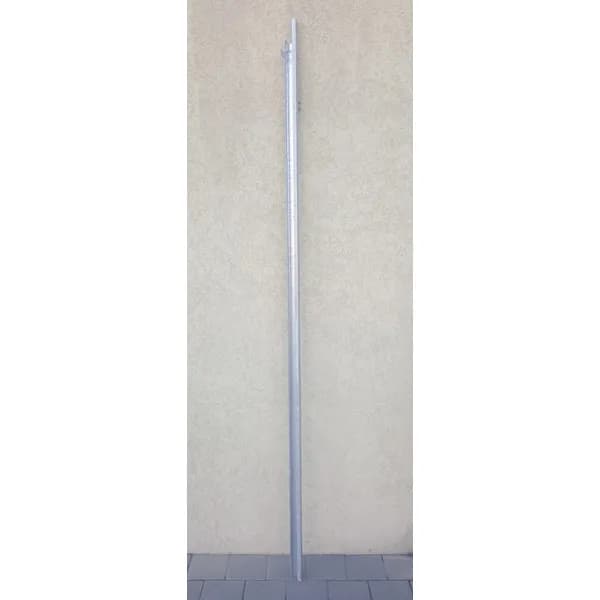
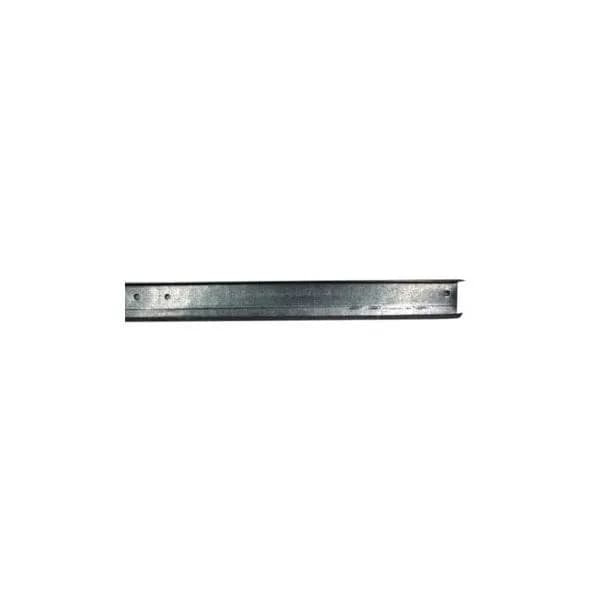
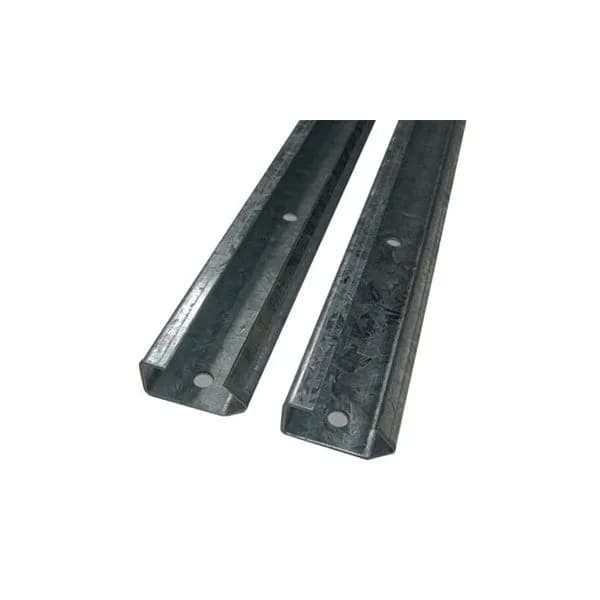
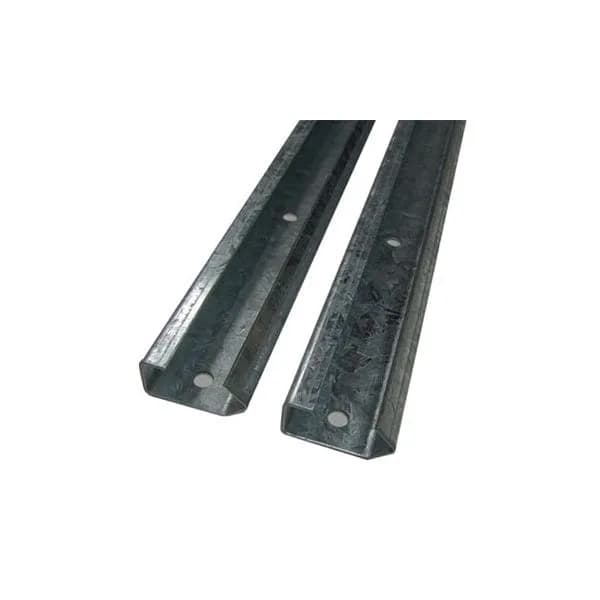
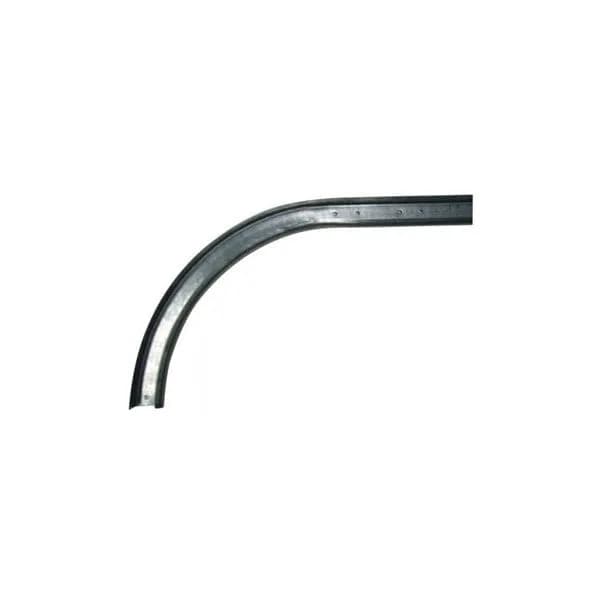
Straight, curved and low-headroom tracks for sectional doors, guide tracks for single and double roller doors, and tilt door tracks — including the B&D-profile variants, which are not interchangeable with the standard sections.
Sectional door tracks come as a vertical straight section and a curved horizontal section that carries the door back under the ceiling. Low-headroom tracks do the same job in a tighter space by running the top roller on a separate high-lift path, and they are matched to low-headroom brackets rather than the standard set.
B&D doors use their own track profile. A standard curved or straight track will not fit a B&D door correctly, which is why the B&D versions are listed separately here.
Bent or spread tracks usually mean something else went wrong first — a door driven into an obstruction, a broken cable letting one side drop, or a vehicle catching the track. Straightening a badly kinked track is a temporary fix at best; the roller will keep catching in the same place.
If your door has come off its tracks, stop using it. Running the opener against a derailed door bends more track and can pull the mounting brackets out of the wall.
Stop using the opener and do not try to force the door back. A derailed door is usually a symptom of a broken cable, spring or roller, and running the motor against it causes far more damage. Disconnect the opener with the manual release and call us.
Yes. B&D uses its own track profile, so the standard straight and curved sections will not fit. The B&D versions are listed as separate products for that reason.
Garages with very little space between the top of the door opening and the ceiling. They run the top roller on a separate path so the door still folds back flat, and they pair with low-headroom brackets.
Tell us your door or opener model and we'll confirm the right part before we come out — anywhere in Perth, no call-out fee.